
Polytechnics may not be regarded as universities, yet they play an important role in Nigeria’s educational system, and many students and parents still misunderstand what they truly represent.
Some people wrongly believe that polytechnics are only for students who could not gain admission into universities.
However, in reality, polytechnics are designed to equip learners with practical skills, technical knowledge, and industry-relevant training that prepare them directly for the job market and entrepreneurship.
This content was compiled to guide you as you learn what polytechnic education is all about, how it works, the benefits, available courses, and answers to the most frequently asked questions on the Internet.
Read Also: List Of Polytechnics In Abuja for 2026
What Is a Polytechnic?
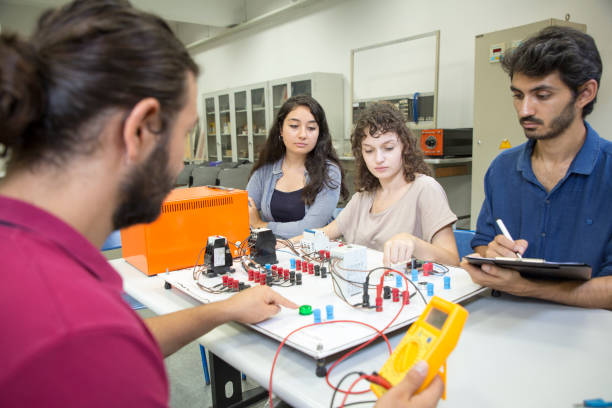
A polytechnic is a higher institution of learning that focuses mainly on technical, vocational, and practical education, unlike universities, which focus more on theory and research.
Polytechnics are structured to teach students skills that can be applied directly in workplaces such as industries, companies, laboratories, workshops, and business environments.
Polytechnics award qualifications such as:
- National Diploma (ND)
- Higher National Diploma (HND)
- Professional certificates in technical and vocational fields
These qualifications are recognised in Nigeria and many other countries, especially for careers that require strong technical competence.
The Main Purpose of Polytechnic Education
The core aim of polytechnic education is to produce skilled manpower for national development. Polytechnic graduates are trained to solve real-life problems using practical knowledge rather than only theoretical concepts.
Some key objectives of polytechnic education include:
- Promoting technical and vocational skills
- Encouraging creativity and innovation
- Preparing students for self-employment and entrepreneurship
- Bridging the gap between theory and real-world application
- Supporting industrial and technological development
This is why many polytechnic graduates perform exceptionally well in fields like engineering, ICT, business, design, and applied sciences.
Courses Offered in Polytechnics
Polytechnics offer a lot of career-focused courses across different faculties and schools. These programmes are designed to meet current market demands and industry needs.

Some popular courses in Nigerian polytechnics include:
1. Engineering and Technology Courses
- Electrical/Electronics Engineering
- Mechanical Engineering
- Civil Engineering
- Computer Engineering
- Mechatronics Engineering
2. Business and Management Courses
- Accountancy
- Business Administration
- Marketing
- Public Administration
- Office Technology and Management
3. Science and Technology Courses
- Computer Science
- Science Laboratory Technology
- Statistics
- Food Technology
- Environmental Science
4. Art, Design, and Media Courses
- Mass Communication
- Graphic Design
- Fashion Design
- Fine Arts
- Photography
5. Specialised Technical Courses
- Building Technology
- Estate Management
- Quantity Surveying
- Surveying and Geoinformatics
- Agricultural Technology
This variety of courses makes polytechnics a good option for students with different talents and career goals.
Admission Requirements into Polytechnics
Gaining admission into a polytechnic in Nigeria is quite similar to the university process.
Most institutions require:
- A minimum of five (5) credits in relevant subjects, including English Language and Mathematics (in WAEC, NECO, or NABTEB)
- JAMB UTME score that meets the institution’s cutoff mark
- Post-UTME screening (for some schools)
For ND admission, candidates apply through JAMB. For HND admission, candidates must possess an ND certificate, industrial training (IT) experience, and meet the specific requirements of the institution.
Difference Between Polytechnic and University
One major area of confusion is the difference between polytechnics and universities. Here is a clear comparison:
- Polytechnics focus more on practical skills, while universities deal more with theory and research.
- Polytechnics award ND and HND, while universities award Bachelor’s, master’s, and PhD degrees.
- Polytechnic graduates are often more job-ready due to hands-on training.
- Universities are more academically orientated, while polytechnics are more career-orientated.
Both institutions are valuable; the best choice depends on a student’s learning style and career goals.
Career Opportunities for Polytechnic Graduates
Polytechnic graduates are highly employable, especially in technical and skill-based industries. Many companies value their ability to perform tasks efficiently with minimal supervision.
Some career paths include:
- Engineering technicians and technologists
- Software developers and IT specialists
- Accountants and business managers
- Media professionals and content creators
- Entrepreneurs and business owners
- Technicians in laboratories, workshops, and industries
If you care to know, many successful entrepreneurs and professionals in Nigeria today are proud polytechnic graduates.
Advantages of Studying in a Polytechnic
Choosing a polytechnic comes with several benefits:
- Practical knowledge: Students spend more time on workshops, labs, and projects.
- Lower tuition fees: Polytechnics are often more affordable than universities.
- Entrepreneurial skills: Many programmes include business and entrepreneurship training.
- Industry relevance: Courses are tailored to match real-world job requirements.
- Self-employment opportunities: Graduates can easily start small businesses using their skills.
These advantages make polytechnics a smart option for students who want to build strong, employable skills.
Frequently Asked Questions (FAQs) on What Polytechnic Is All About
1. Is polytechnic education inferior to university education?
No. Polytechnic education is not inferior; it is simply different. Polytechnics focus more on practical and technical skills, while universities focus more on theory and research. Both are equally important depending on career goals.
2. Can polytechnic graduates become successful in life?
Yes. Many successful engineers, entrepreneurs, tech experts, and business owners are polytechnic graduates. Success depends more on skills, discipline, and experience than on the type of institution attended.
3. Can HND holders go for NYSC in Nigeria?
Currently, HND holders can participate in NYSC if they meet the requirements and have completed their ND, IT, and HND properly. However, policies may change, so it’s always good to confirm from official sources.
4. Can I gain admission into a university after studying in a polytechnic?
Yes. ND and HND holders can apply for Direct Entry (DE) admission into universities to continue their education and obtain a degree.
5. What is the best course to study in a polytechnic?
The best course depends on your interests and career goals. Popular and in-demand options include computer science, engineering courses, business administration, mass communication, and accountancy.
Conclusion
Polytechnic education is all about skills, creativity, innovation, and practical knowledge. It is designed to prepare students for the real world, not just for exams.
Whether your dream is to become an engineer, tech expert, entrepreneur, designer, or business professional, a polytechnic can provide a good foundation for your success.
Instead of seeing polytechnics as a second option, students and parents should begin to recognise them as powerful institutions that build the workforce of the future.